
Improve software quality with code reviews, testing, CI/CD, and communication best practices for offshore development.
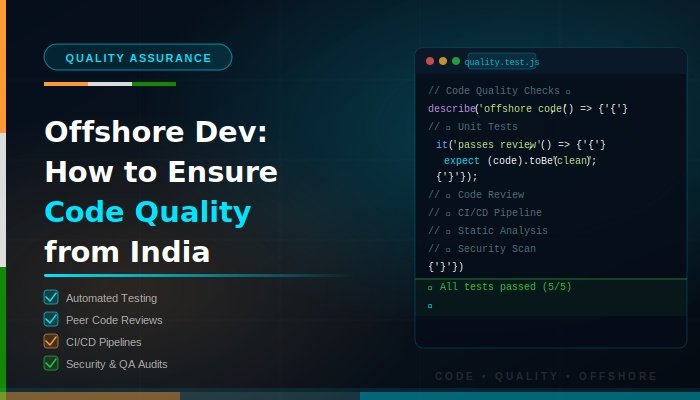
In today’s fast-paced digital landscape, businesses in the USA and UK are constantly seeking innovative ways to accelerate development cycles, reduce operational costs, and access a global talent pool. Offshore development, particularly to India, has emerged as a cornerstone strategy for achieving these goals. India’s vast pool of skilled IT professionals, competitive pricing, and robust technological infrastructure make it an attractive destination for outsourcing software development. However, a common concern that often arises with offshore partnerships is maintaining impeccable code quality. How do you ensure that the code delivered from halfway across the world meets your rigorous standards and integrates seamlessly into your existing systems?
This comprehensive guide delves into the critical strategies and best practices for guaranteeing superior offshore development code quality when collaborating with teams in India. We’ll explore everything from establishing clear communication channels to implementing robust development methodologies, ensuring your offshore venture is not just cost-effective but also a catalyst for high-quality, scalable software solutions.
Understanding the “Offshore Development Code Quality” Challenge
The Allure of Offshore Development
The decision to engage in offshore development is often driven by compelling advantages. For businesses in the USA and UK, these include:
- Cost Efficiency: Significant savings on salaries, infrastructure, and operational overhead compared to in-house teams.
- Access to Talent: Tapping into a diverse and highly skilled workforce, often with specialized expertise that may be scarce locally.
- Faster Time-to-Market: Leveraging a larger team can accelerate development timelines, allowing products and features to launch more quickly.
- Scalability: The ability to quickly scale teams up or down based on project needs without the complexities of hiring and firing local staff.
- Focus on Core Competencies: Freeing up internal resources to concentrate on strategic business initiatives.
Common Pitfalls in Code Quality
Despite these benefits, the geographical and cultural distance in offshore partnerships can introduce challenges, particularly concerning code quality. These often manifest as:
- Communication Gaps: Misunderstandings due to language barriers, time zone differences, or lack of direct interaction can lead to misinterpretations of requirements.
- Inconsistent Coding Standards: Different team members or organizations may adhere to varying coding conventions, leading to inconsistent, hard-to-maintain codebases.
- Lack of Transparency: Difficulty in gaining real-time visibility into the development process, progress, and potential roadblocks.
- Insufficient Testing: Overlooking comprehensive testing phases can result in bugs, performance issues, and a poor user experience.
- Cultural Differences: Variances in work culture, problem-solving approaches, and feedback mechanisms can impact collaboration and outcomes.
- Technical Debt Accumulation: Prioritizing speed over quality can lead to shortcuts, resulting in a codebase that is difficult to modify, extend, or debug in the future.
Strategies for Ensuring Superior Code Quality from India
Mitigating these challenges requires a proactive and structured approach. Here are key strategies to ensure exceptional offshore development code quality.
Clear Communication: The Foundation of Success
Effective communication is paramount when bridging geographical divides.
- Detailed Requirements & Specifications: Provide unambiguous, comprehensive, and well-documented requirements. Use tools like user stories, wireframes, mock-ups, and flowcharts to leave no room for ambiguity. Ensure both parties agree on the definition of “done” for each task.
- Regular Feedback Loops: Establish a consistent schedule for meetings (daily stand-ups, weekly reviews, sprint retrospectives). Utilize video conferencing to foster personal connections. Encourage open and honest feedback from both sides.
- Cultural Nuances in Communication: Be aware of and sensitive to cultural differences. Understand that direct communication styles prevalent in the USA and UK might need to be adapted for teams in India, where indirect communication might be more common. Encourage questions and clarification.
- Dedicated Communication Channels: Implement a centralized communication platform (e.g., Slack, Microsoft Teams) for instant messaging, file sharing, and quick queries, reducing reliance on email for urgent matters.
Robust Processes and Methodologies
Standardized processes provide a framework for consistent quality.
- Agile Development Practices: Utilize Agile methodologies (Scrum, Kanban) to promote iterative development, continuous feedback, and adaptability. This allows for frequent checks on progress and quality.
- Version Control and Documentation: Mandate the use of robust version control systems (e.g., Git) for all code. Ensure thorough and up-to-date documentation for code, architecture, and project decisions. This is crucial for maintainability and future scaling.
- Code Reviews and Pair Programming: Implement mandatory code reviews where peers scrutinize code for errors, adherence to standards, and best practices. Encourage pair programming for complex tasks to share knowledge and improve code quality collaboratively.
- Coding Standards and Guidelines: Define clear, explicit coding standards (naming conventions, formatting, error handling, security practices) at the outset of the project. Ensure the offshore team is trained on and adheres strictly to these guidelines.
Leveraging Technology and Tools
Automation and specialized tools are indispensable for maintaining quality at scale.
- Automated Testing (Unit, Integration, E2E): Implement a comprehensive automated testing strategy. Unit tests ensure individual components work correctly, integration tests verify module interactions, and end-to-end tests simulate user flows. This catches bugs early and reduces manual testing effort.
- Static Code Analysis: Utilize static code analysis tools (e.g., SonarQube, ESLint) to automatically identify potential bugs, security vulnerabilities, and violations of coding standards without executing the code. Integrate these into your CI/CD pipeline.
- Continuous Integration/Continuous Deployment (CI/CD): Set up CI/CD pipelines to automate the build, test, and deployment processes. This ensures that every code change is immediately tested, preventing integration issues and maintaining a deployable codebase.
- Performance Monitoring Tools: Employ application performance monitoring (APM) tools to track the real-time performance of your application, identifying bottlenecks and areas for optimization.
Effective Project Management and Oversight
Proactive management ensures alignment and accountability.
- Dedicated Project Managers: Assign a dedicated project manager on both your side (onshore) and the offshore team’s side. These individuals act as crucial liaisons, ensuring smooth communication, task allocation, and issue resolution.
- Performance Metrics and KPIs: Define clear Key Performance Indicators (KPIs) for code quality, such as defect density, code coverage, cyclomatic complexity, and lead time for changes. Regularly track and review these metrics with the offshore team.
- Risk Management: Proactively identify potential risks related to quality, timelines, and resources. Develop contingency plans and review them regularly.
- Regular Demos and Showcases: Conduct frequent demonstrations of working software. This provides tangible progress updates and allows stakeholders to provide early feedback, ensuring the product aligns with expectations.
Strategic Vendor Selection and Partnership
Choosing the right partner is half the battle won.
- Due Diligence and Vetting: Thoroughly vet potential offshore partners. Look for companies with a proven track record, strong client testimonials (especially from USA/UK clients), robust quality assurance processes, and certifications (e.g., ISO 9001, CMMI).
- Technical Expertise and Domain Knowledge: Ensure the offshore team possesses the specific technical skills and, ideally, domain knowledge relevant to your industry.
- Pilot Projects: Consider starting with a smaller pilot project to assess the team’s capabilities, communication effectiveness, and adherence to quality standards before committing to larger engagements.
- Long-term Relationship Building: View your offshore partner as an extension of your own team. Build a collaborative, trust-based relationship, investing in their understanding of your business goals and culture.
Empowering Your Offshore Team
An empowered team is a productive and quality-driven team.
- Training and Skill Development: Invest in continuous training for your offshore team, ensuring they stay updated with the latest technologies, tools, and best practices relevant to your project.
- Knowledge Transfer: Facilitate comprehensive knowledge transfer sessions at the project’s outset and throughout its lifecycle. Ensure the offshore team fully understands the project’s context, business objectives, and technical architecture.
- Building a Collaborative Culture: Encourage an environment where the offshore team feels valued, empowered to ask questions, and contribute ideas. Recognize their efforts and successes.
- Access to Resources: Provide the offshore team with access to all necessary tools, documentation, and internal experts to perform their tasks effectively.
Key Takeaways for Offshore Development Code Quality
- Communication is King: Clear, consistent, and culturally aware communication is the bedrock of successful offshore development.
- Process Makes Perfect: Implement robust Agile methodologies, strict coding standards, and thorough documentation.
- Automate for Assurance: Leverage automated testing, static code analysis, and CI/CD pipelines to catch issues early and maintain quality.
- Manage Proactively: Use dedicated project managers, KPIs, and regular demos to maintain oversight and ensure alignment.
- Partner Wisely: Select an offshore vendor with a proven track record and invest in building a long-term, trust-based relationship.
- Empower Your Team: Provide training, knowledge, and a supportive environment to provide a sense of ownership and high-quality output.
Why Marwal Enterprises is Your Ideal Partner
At Marwal Enterprises, we understand the intricacies of global collaboration and the paramount importance of code quality. While this guide focuses on the technical and process-driven aspects of ensuring superior offshore development code quality, we recognize that even the best software needs to reach its audience effectively. Our expertise extends beyond development into comprehensive digital marketing strategies designed to amplify your reach and achieve your business objectives.
We bridge the gap between exceptional code and market success, helping businesses in the USA and UK navigate the complexities of digital growth. From SEO and content strategy to paid advertising and social media management, our tailored solutions ensure your high-quality offshore-developed products gain the visibility and traction they deserve.
Ready to Boost Your Digital Presence?
Don’t let your meticulously crafted software go unnoticed. Partner with Marwal Enterprises to transform your digital strategy and ensure your innovations reach the right audience.